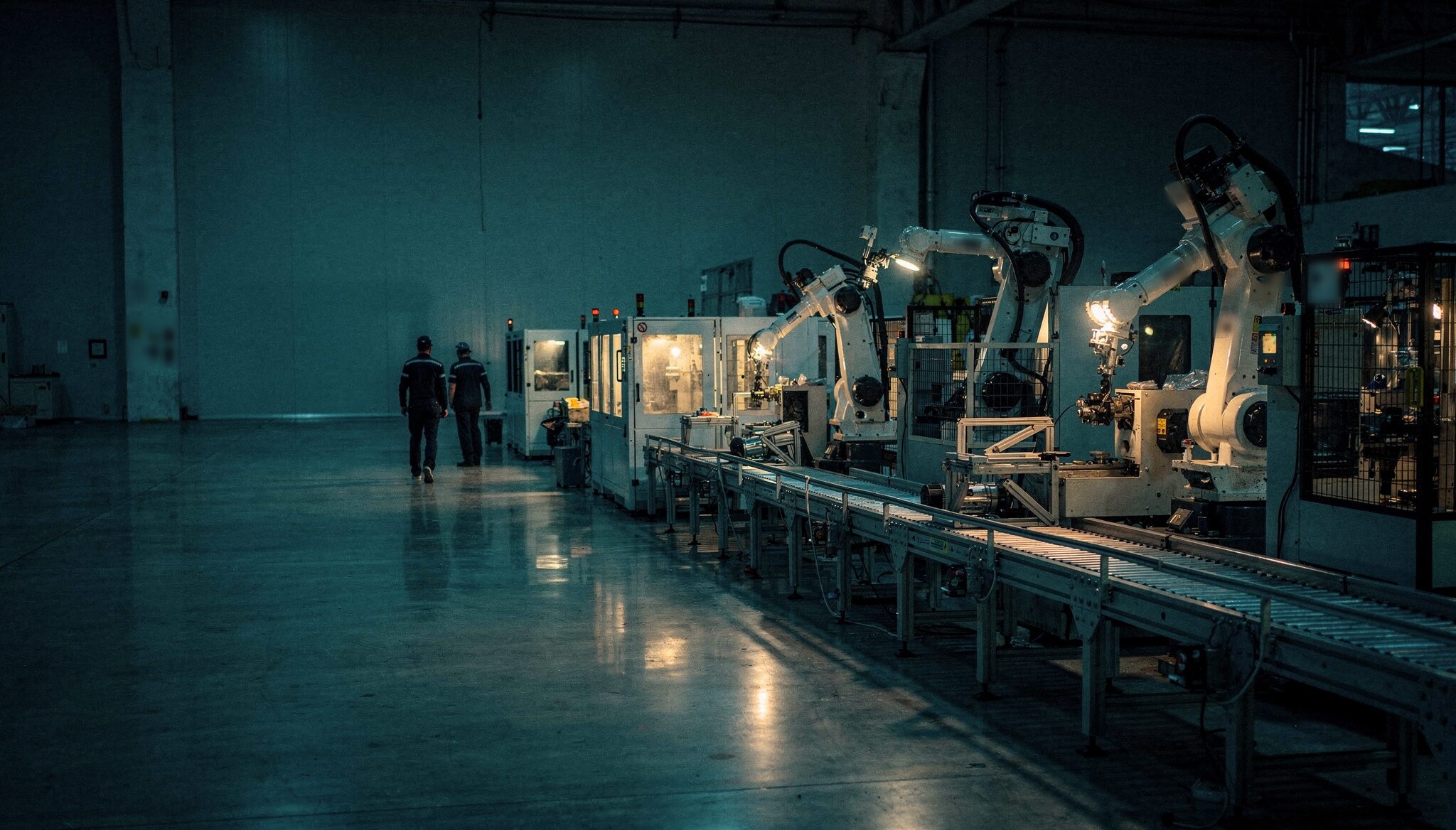
Manufacturing & production
Manufacturers run on scattered information: orders in the ERP, instructions in folders, quality data in spreadsheets and knowledge in experienced people. Meridian connects those sources in your own environment and applies AI where the work is most repetitive, with your people in charge.
- 01
Orders and documents keyed in by hand
TodayOrders, specifications and delivery notes arrive by email and PDF and are entered into the ERP by hand. Errors only surface in production or invoicing.
With MeridianData is read from the documents, checked against your rules and staged. A member of staff only reviews what deviates.
- 02
Knowledge that leaves with people
TodayExperienced operators and technicians know how a machine behaves and what worked last time. That knowledge is written down nowhere, and new people are hard to find.
With MeridianManuals, work instructions and earlier jobs become searchable with a plain question, with a reference to the source.
- 03
Quality deviations that surface late
TodayDeviations are found at final inspection or by the customer. Complaints, measurements and shift reports live in separate systems, so patterns stay hidden.
With MeridianComplaints, measurements and reports come together in one overview. Image inspection at a well-defined step can be explored as a pilot; a person reviews every flag.


- Documents & administrationLess retyping, less searching. Read invoices and delivery notes and match them with orders.Project-specific integration
- Quotes & salesFrom request to proposal, faster. Structure requests from email or forms: quantities, specifications, deadlines.Proposed pilot
- Technical knowledge & serviceFind knowledge the moment it is needed. Search manuals, diagrams and earlier jobs with a plain question.Existing capability
- Quality & productionSee deviations before your customer does. Compare a product or part with an approved reference.Proposed pilot
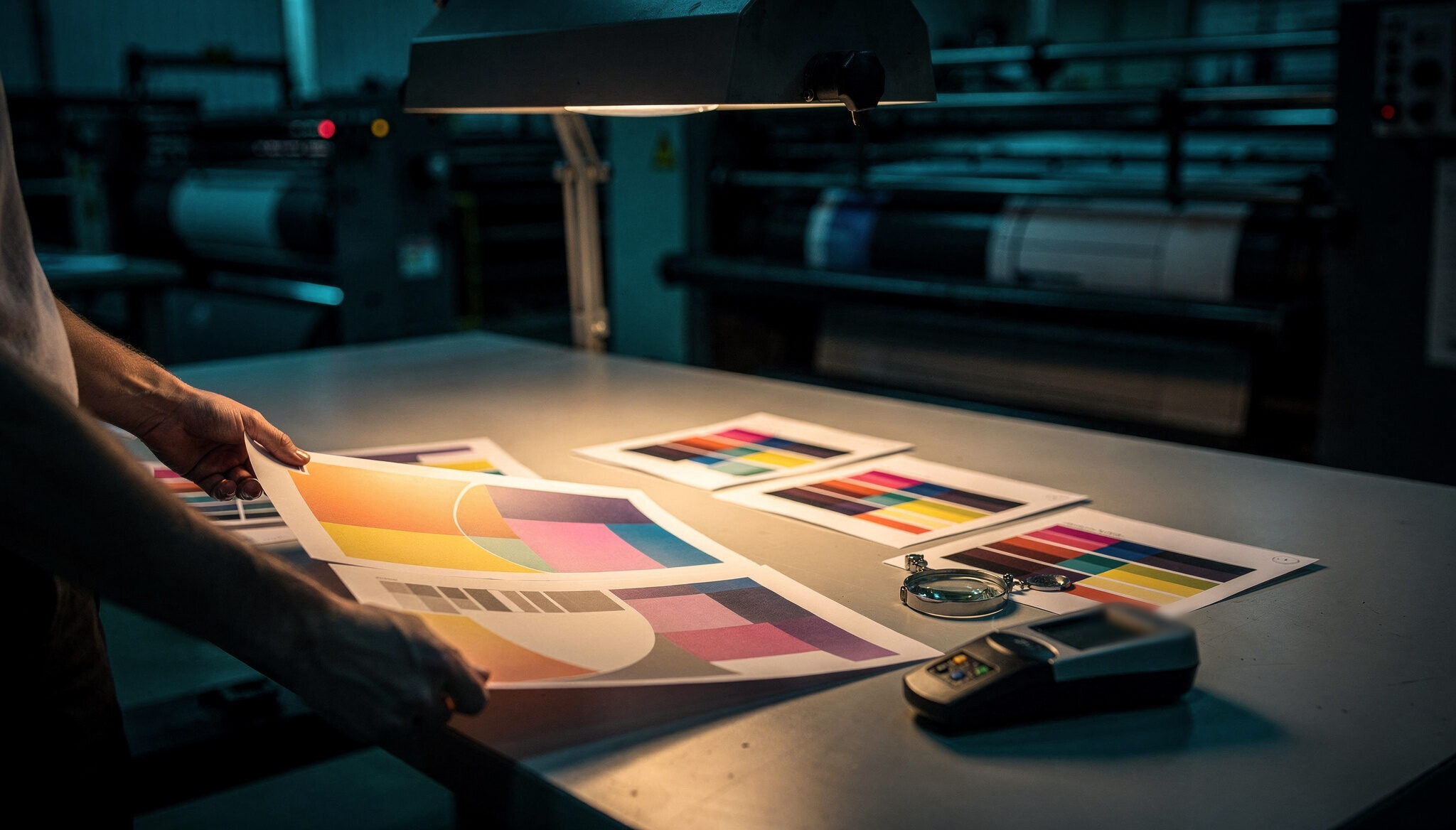
The order is a folding carton. The file around it keeps growing.
The EU Packaging Regulation has applied since 12 August 2026, and paper and board come under the deforestation rules from 30 December 2026. For printers and packaging makers, each order brings more specifications, declarations and checks to read, match and keep.
Read the analysis
The high-risk deadlines moved. The basics did not.
The EU has postponed the AI Act’s high-risk rules to December 2027 and August 2028. For most companies starting with AI, the questions that matter now are simpler: which system is used, for what, by whom, and who checks the result.
Read the analysis
The experienced technician retires. The fix should not leave too.
Flanders’ 2026 list of bottleneck occupations again puts technical jobs near the top. When experienced people are scarce, what they know has to be findable in manuals, service reports and the history of each machine.
Read the analysis
The invoice is structured now. The work around it is not.
Since 1 January 2026, Belgian VAT-registered businesses exchange structured electronic invoices with each other. The format has changed. Matching, exceptions and the documents that arrive next to an invoice still land on someone’s desk.
Read the analysis Defence: bases, forces and military mobility
 Nuclear power plants & nuclear sites
 Security officers of companies & public bodies
 Public safety & regional police zones
 High-voltage grids & energy infrastructure
 Strategic maritime ports & intermodal logistics
 Rail & transport networks
 Space & satellite ground infrastructure
 Logistics & distribution
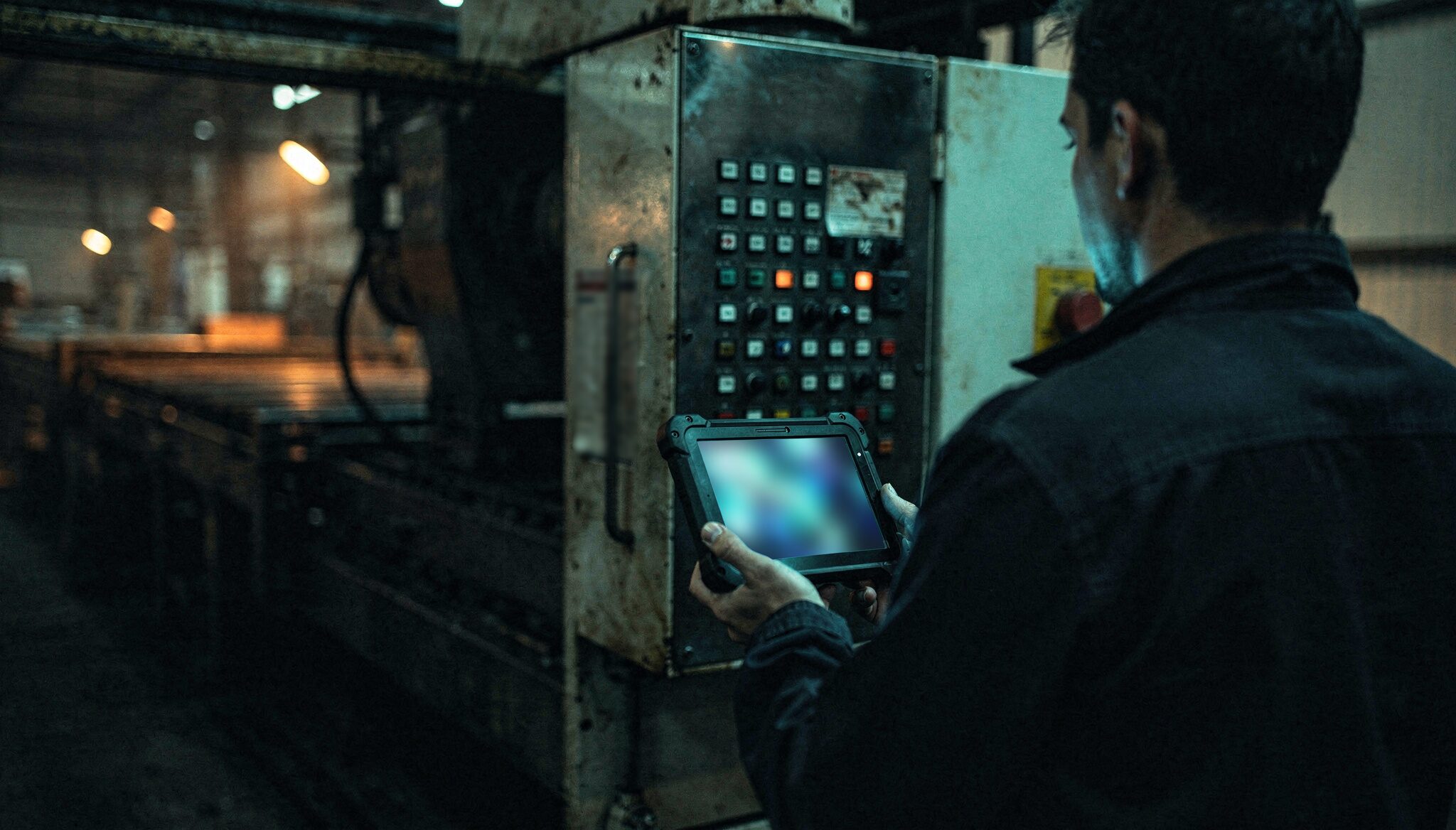 Technical services & maintenance
 Banks, insurers & paymentsSector not listed?Discuss your process